
The Real Cost of Hurricane Damage vs. The ROI of Impact Windows
The increasing frequency and intensity of hurricanes have brought significant disruption to residential areas, causing extensive financial damage year after year. As a result, there has been a rising interest in preventative measures like impact windows, which promise to mitigate damage and offer economic advantages. Keep reading to explore the financial implications of hurricane damage compared to the return on investment (ROI) of installing impact windows.
Understanding Hurricane Damage Costs
Direct Damage to Structures
Hurricanes wreak havoc on residential structures by causing direct structural damage. The high winds and flooding associated with these storms can compromise the integrity of homes, leading to extensive repair costs. Roofs, windows, and doors are especially vulnerable, requiring immediate attention and restoration. The aftermath of a hurricane often leaves communities struggling to replace and repair damaged homes, inflating the total recovery costs. Notably, a single hurricane can result in billions of dollars worth of direct structural damages.
Indirect Economic Impacts
Beyond direct structural damage, hurricanes create substantial indirect economic impacts. Businesses suffer from prolonged closures, shipping delays, and supply chain interruptions, causing economic ripple effects throughout the affected region. Displaced residents may experience loss of income and employment, exacerbating financial instability. Furthermore, local governments often divert resources to emergency response and recovery efforts, impacting community development initiatives. This economic strain underscores the need for preventative measures to minimize such disruptions in the future.
Insurance and Recovery Expenses
The costs associated with hurricane recovery extend beyond visible damages to encompass insurance and recovery expenses. Homeowners often rely on insurance to mitigate financial risks, but policies may not cover the full extent of damages. The process of filing claims and awaiting reimbursements can be time-consuming and stressful, adding to the economic burden. Additionally, the insurance industry itself absorbs significant losses, potentially leading to increased premiums for policyholders. Investing in preventative measures like impact windows can help reduce these expenses by lessening the likelihood and severity of damage claims.
Environmental and Long-term Costs
Hurricanes also impose long-term environmental and economic costs on affected regions. The storms often disrupt local ecosystems, causing destruction to vegetation and wildlife, and complicating natural resource management. Flooding and storm surges can lead to soil erosion and water contamination, impacting agriculture and public health. Over time, the recurring effects of such disasters can hinder economic growth and exacerbate poverty levels in vulnerable communities. Mitigating these long-term costs begins with adopting preventative strategies that protect homes and infrastructure.
The Mechanics of Impact Windows
Design and Engineering
Impact windows are engineered to withstand the extreme forces associated with hurricanes. They comprise multiple layers of glass with an inner layer of polyvinyl butyral (PVB) or ethylene-vinyl acetate (EVA), providing exceptional durability. This design allows the windows to absorb significant impact without shattering, offering enhanced protection against debris and high winds. Rigorous testing procedures are employed to assess their capability, ensuring that they meet the strict standards required for hurricane-prone regions. Homeowners can thus rely on impact windows as a frontline defense mechanism to mitigate structural damage during storms.
Material Composition and Features
The materials used in impact windows play a critical role in their performance and effectiveness. Typically, these windows feature a strong, reinforced frame made from materials like aluminum or vinyl, which complement the robust glass layers. This composition not only ensures protection from blunt force but also increases energy efficiency by providing excellent insulation. Additionally, impact windows are rated by professional organizations, with condensation resistance scores between 1 and 100 indicating their ability to prevent interior condensation buildup, according to the National Fenestration Rating Council. Such features make impact windows a comprehensive solution for both safety and comfort.
Installation Process
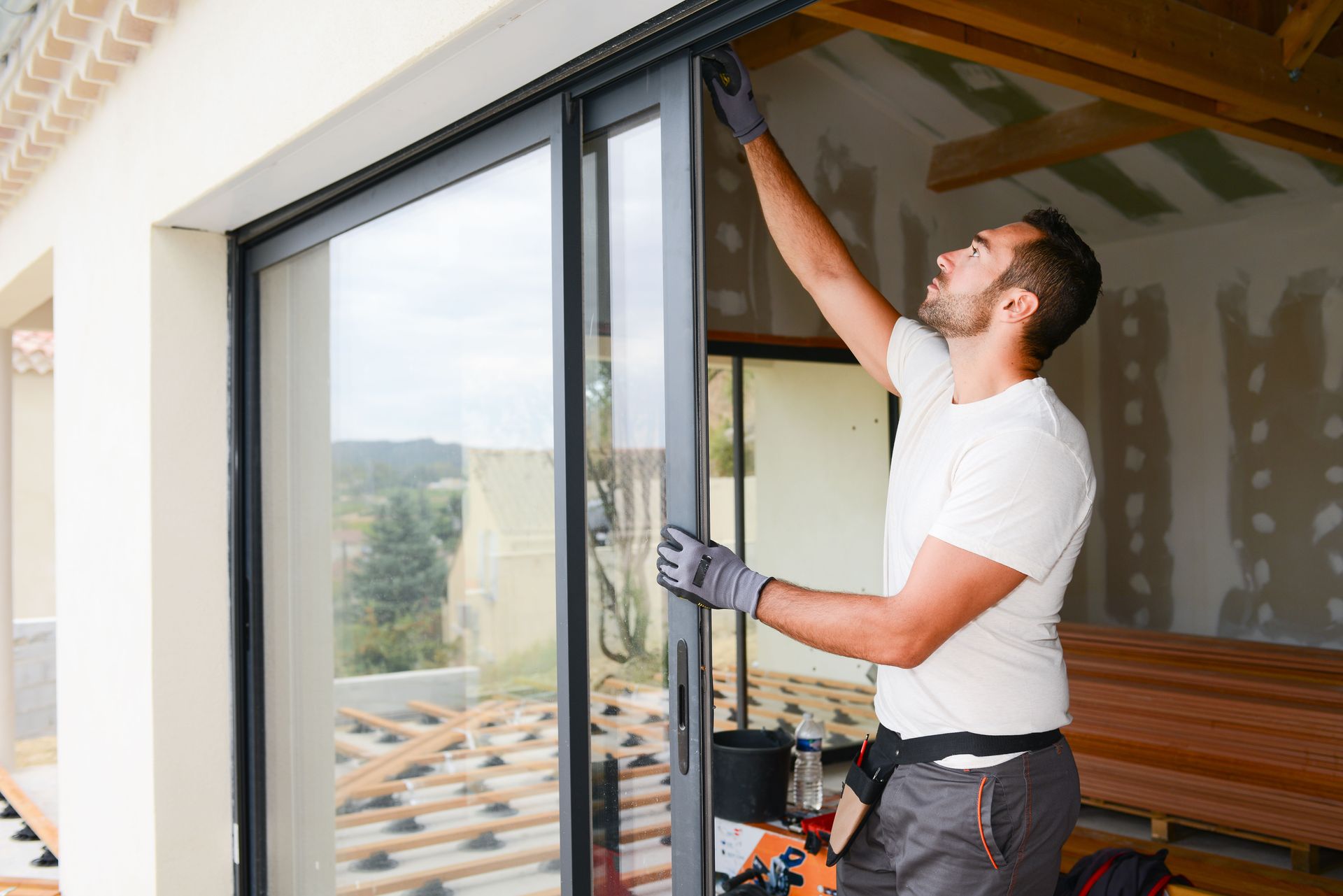
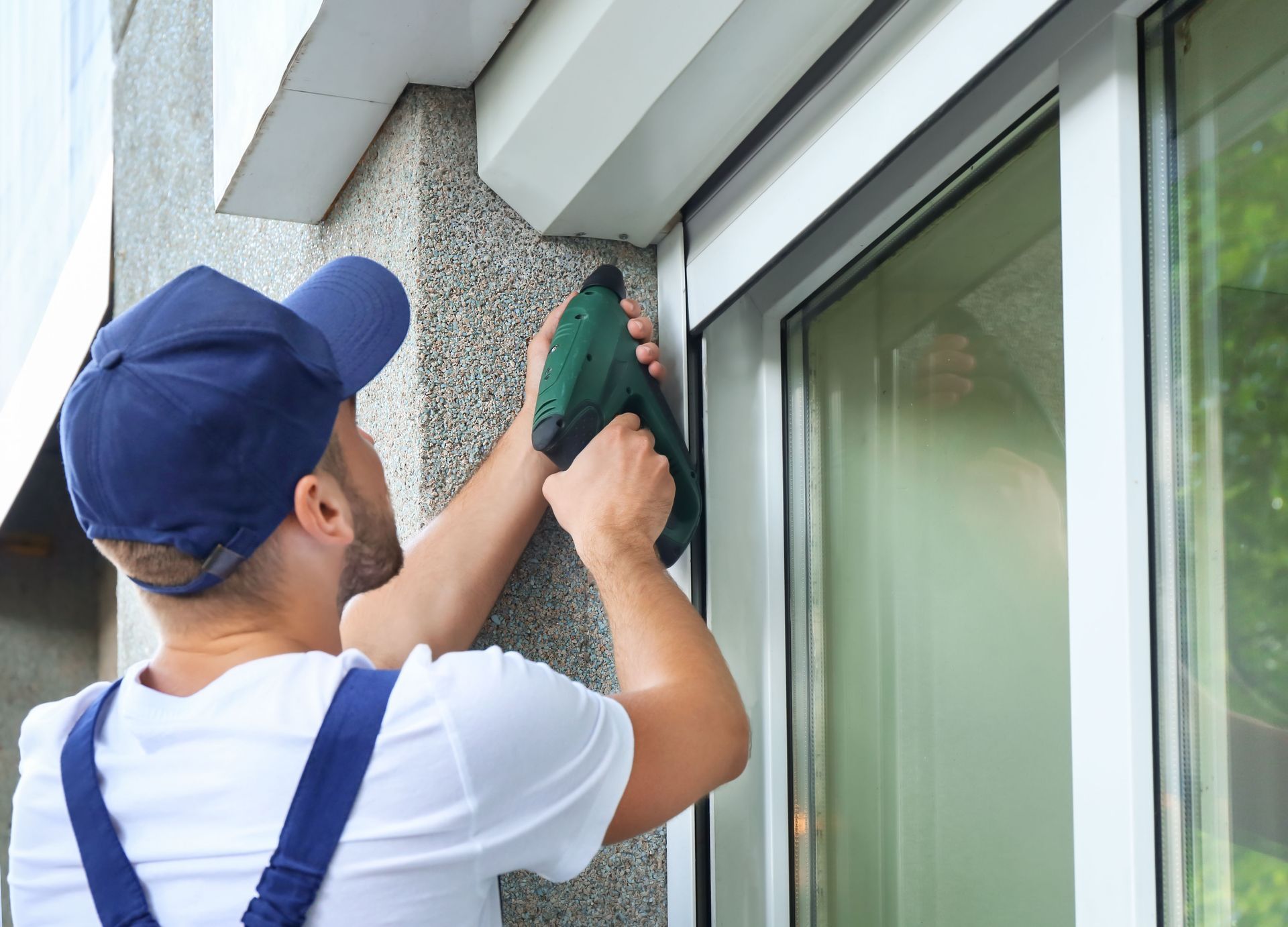
The successful installation of impact windows requires expertise and precision to maximize their protective capabilities. Professional installation ensures that the windows are securely anchored to the home's structure, preventing displacement during high winds. Installers meticulously verify seal integrity to hinder water intrusion during storms, maintaining the home's internal environment. The process also involves detailed measurements and customization to fit specific window frames, minimizing gaps and potential vulnerabilities. By investing in professional installation, homeowners can enhance the resilience of their homes against hurricane-related threats.
Certification and Standards
Impact windows must meet stringent certification and standards to guarantee their reliability in hurricane-prone areas. These standards are established by national and international bodies, such as the American Society for Testing and Materials (ASTM), which evaluate impact resistance, air infiltration, and water penetration. Certification ensures that the windows can endure severe weather conditions without compromising safety. Homeowners should seek windows with verified certifications to ensure compliance with regional building codes and insurance requirements. Certified impact windows offer peace of mind by providing tested and reliable protection for homes.
Comparative Effectiveness Against Other Solutions
When compared to alternative protective measures, impact windows offer distinct advantages in hurricane preparedness. Unlike shutters, which require manual deployment, impact windows are permanently installed, providing automatic protection without user intervention. They also allow for natural light and uninterrupted views, unlike boarded-up openings or storm panels. Additionally, impact windows contribute to year-round energy efficiency, whereas temporary solutions offer limited benefits during non-hurricane seasons. As a long-term investment, impact windows not only enhance safety and comfort but also provide financial savings through reduced energy bills and insurance premiums.
Initial Costs vs. Long-term Savings
Cost of Purchase and Installation
The cost of purchasing and installing impact windows can be high, depending on the size and number of windows in a home. Despite the initial expense, the long-term financial benefits can outweigh the initial costs, as impact windows reduce repair expenses associated with hurricane damage. By preventing costly structural repairs, they can save homeowners thousands of dollars over time. Therefore, assessing the ROI requires considering both the upfront costs and the savings generated through enhanced protection.
Maintenance and Longevity
Impact windows are designed to be low-maintenance, requiring minimal upkeep to remain effective. Their durable construction resists wear and tear, reducing the frequency of repairs and replacements. Regular cleaning and inspections are generally all that is needed to maintain their functionality throughout their lifespan. Given their robust construction, impact windows typically last for several decades, providing extended protection against environmental threats. This longevity contributes to their overall cost-effectiveness, as they continue to deliver savings long after the initial investment.
Energy Efficiency and Utility Savings
Beyond their protective benefits, impact windows contribute to energy efficiency, resulting in reduced utility expenses. Their insulated construction helps maintain stable indoor temperatures, minimizing the need for excessive heating and cooling. By preventing drafts and leaks, impact windows reduce the burden on HVAC systems, leading to notable energy savings. Homeowners can witness a reduction in their monthly utility bills, ultimately enhancing the financial ROI of installing these windows. Such savings align with broader efforts to promote sustainable energy consumption and lower carbon footprints.
Property Value Appreciation
The installation of impact windows can positively influence a property's value by enhancing both security and aesthetics. Prospective buyers often seek homes equipped with advanced protective measures, attracted by their safety benefits and potential cost savings. Additionally, impact windows yield a modern and stylish appearance, improving a home's curb appeal and competitiveness in the real estate market. As a result, homeowners may realize increased property valuations, amplifying the ROI of investing in impact windows. This appreciation in value further underscores the multifaceted advantages of embracing proactive protective strategies.
This detailed exploration of the financial and societal impacts of hurricane damage versus the ROI of impact windows emphasizes their effectiveness and value. Impact windows represent a prudent investment, balancing upfront costs with long-term economic and environmental gains. Adopting these measures fosters safe, resilient communities that can better withstand and recover from natural disasters. Through widespread education, financial aid, and supporting regulations, the full potential of impact windows can be realized, transforming disaster preparedness landscapes. Strategic prioritization of protective investments will ensure sustained prosperity and security for homeowners and communities alike—contact Action Window & Glass, Inc today to schedule your free estimate and safeguard your property with trusted, owner-direct expertise.




Share On: