
How Hurricane Windows and Doors Help Protect Homes From Severe Weather
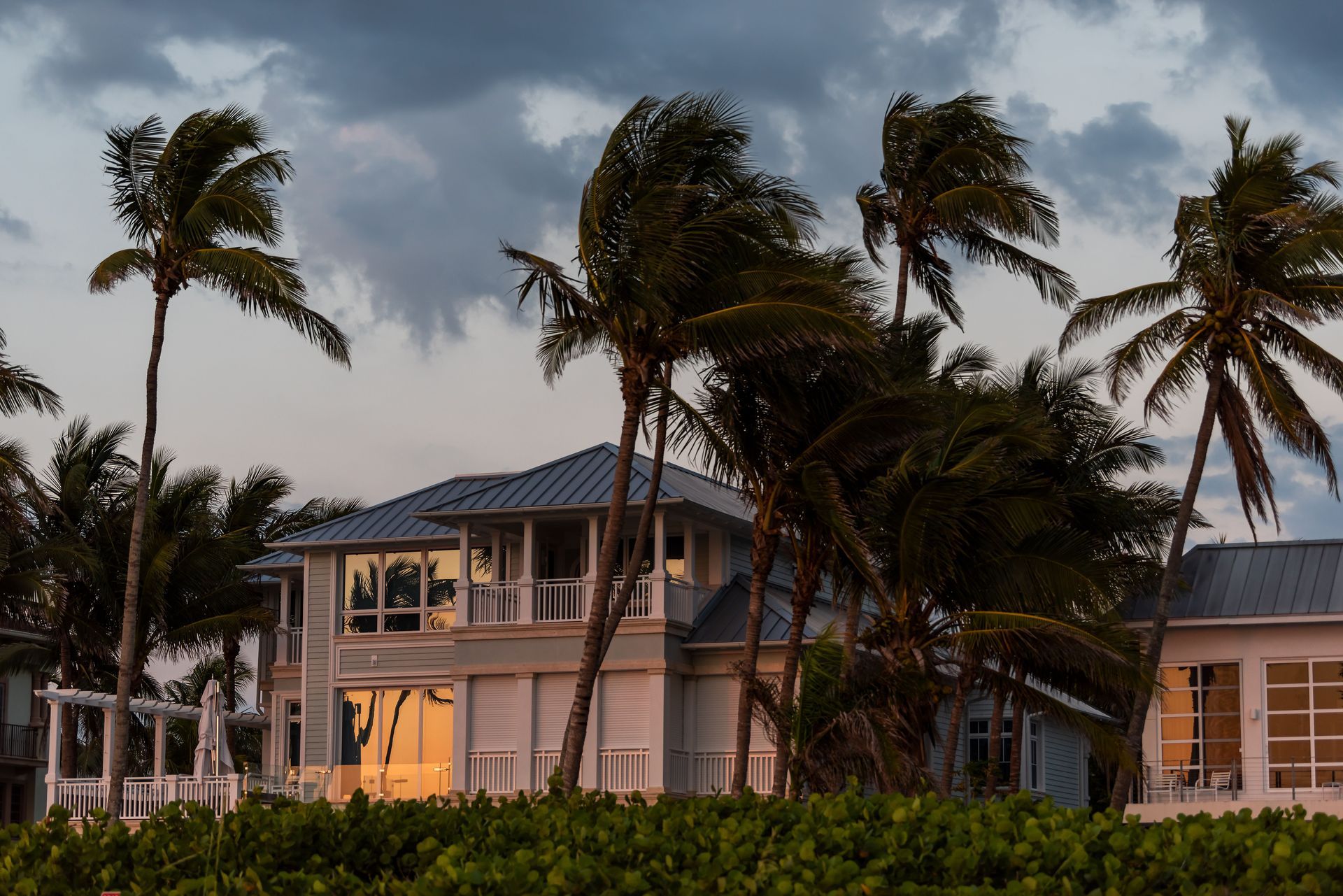
High winds, flying debris, heavy rain, and sudden pressure changes can damage ordinary glass and create openings that allow wind and water to enter. Once the building envelope is compromised, interior and structural damage can spread quickly. Homeowners in storm-prone regions often strengthen vulnerable areas before the next major weather event.
Hurricane windows and doors are designed to provide an added layer of protection against severe conditions. These products combine impact-resistant glass, reinforced frames, durable hardware, and secure installation methods to help the home remain enclosed during a storm. Although no improvement eliminates every risk, stronger openings can improve how a property responds to wind, debris, and rain. This layered protection can help homeowners feel more prepared when forecasts indicate dangerous conditions nearby.
Strengthening the Home’s Exterior Openings
Windows and doors are among the most vulnerable parts of a home during severe weather. Standard glass may crack or shatter when struck by branches, roofing materials, outdoor furniture, or other airborne debris. If an opening fails, wind can rush inside and increase pressure beneath the roof and against interior walls. This pressure may cause additional structural damage.
Hurricane windows and doors are manufactured to resist impacts and remain in place under demanding conditions. Impact-resistant glass commonly includes multiple layers bonded with a strong interlayer. The glass may crack after a forceful strike, but the interlayer helps hold the pieces together instead of allowing a large opening to form. Reinforced frames and locks also support the unit under greater stress.
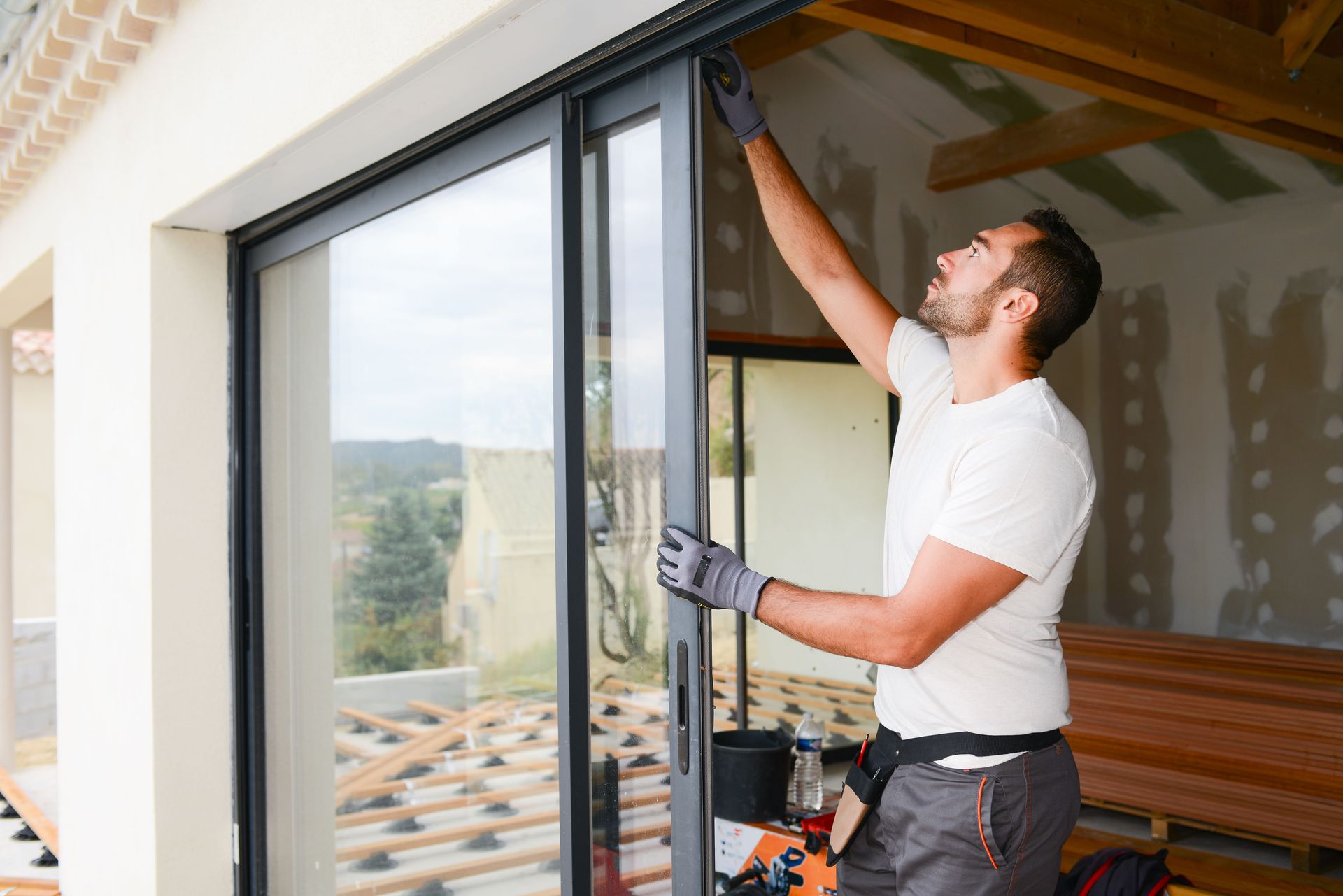
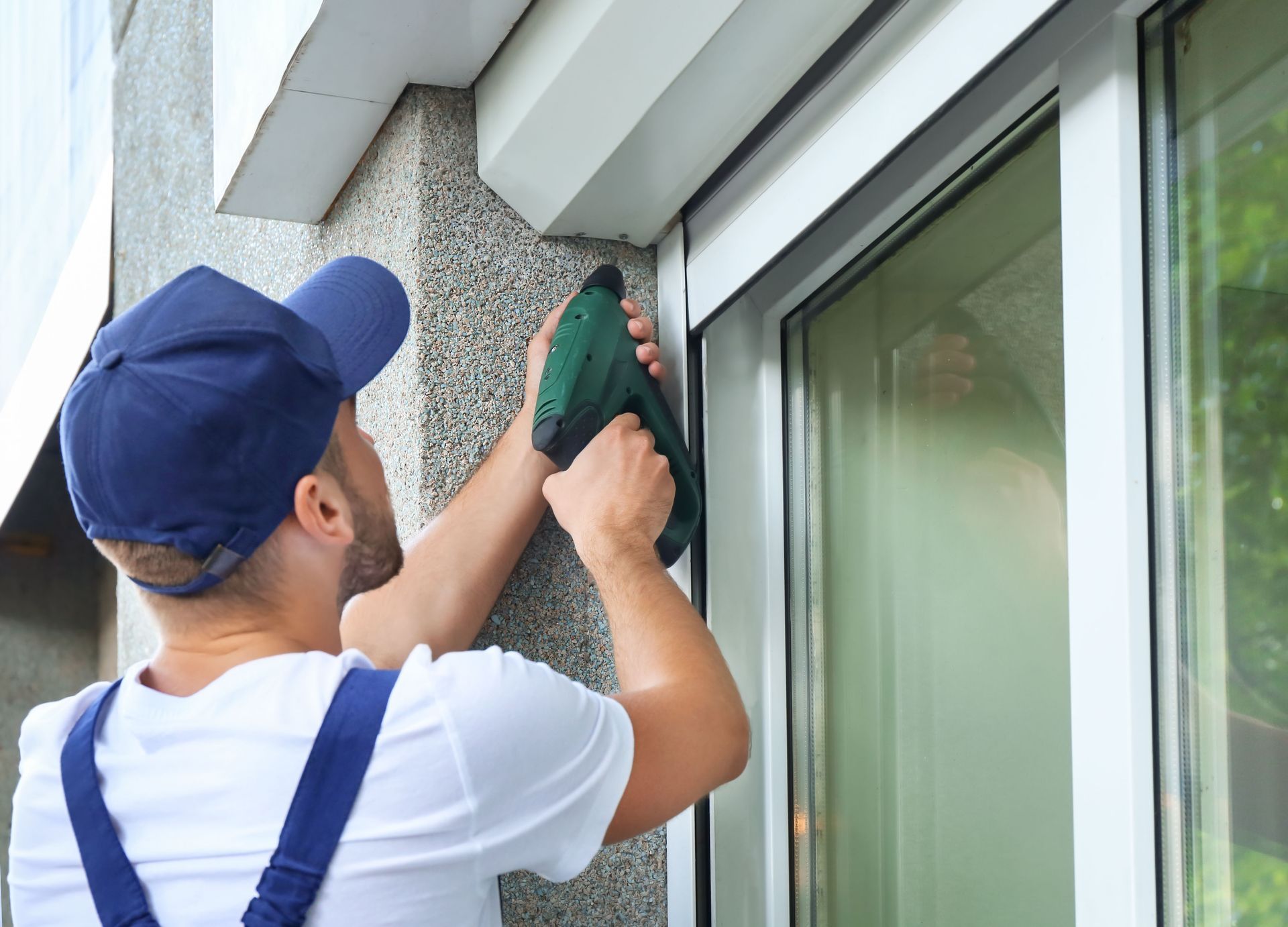
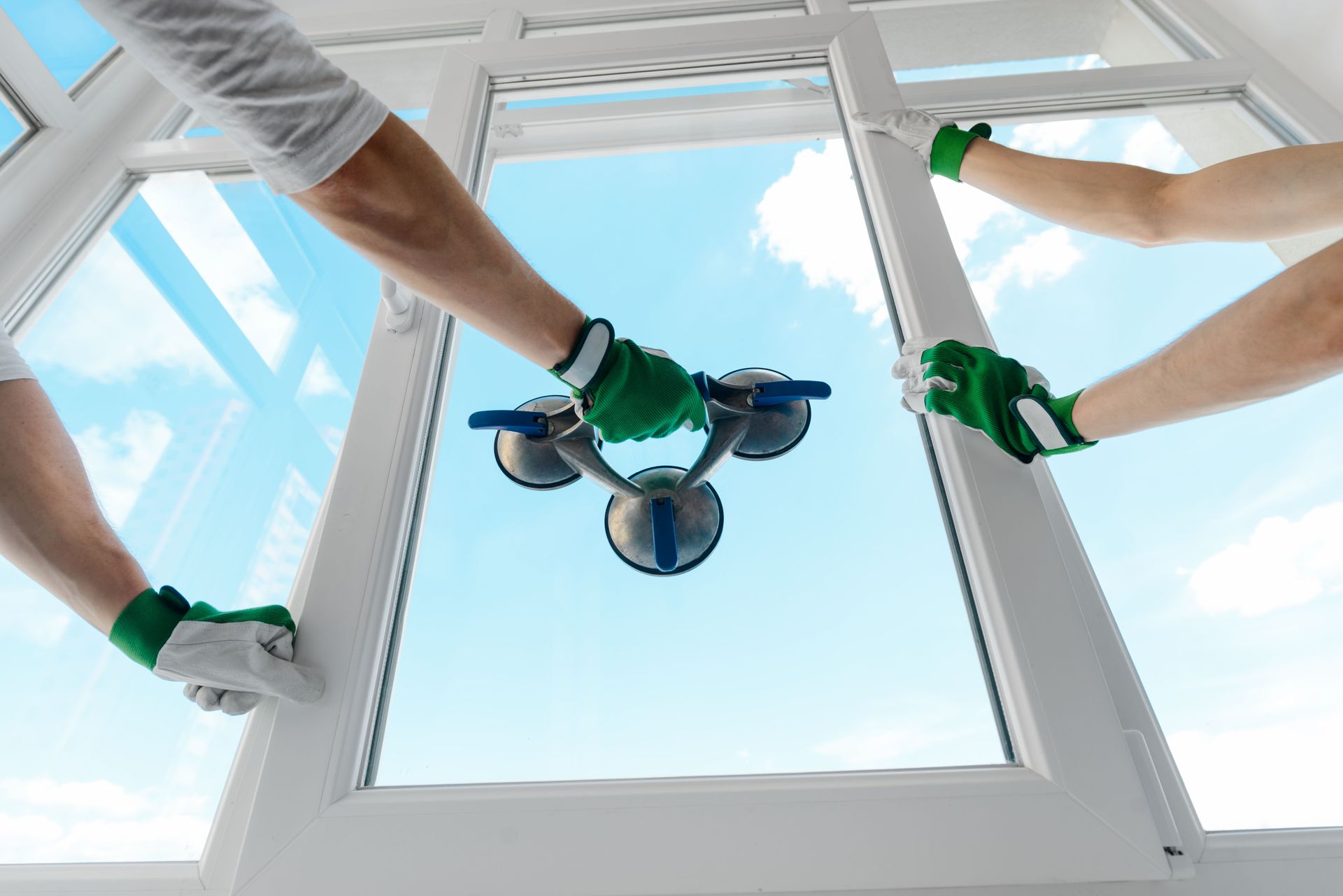
Frames, fasteners, seals, and surrounding construction must work together as a complete assembly. Professional installation helps ensure proper anchoring and alignment, reducing weak points.
Reducing Damage From Windborne Debris
During a hurricane or severe storm, ordinary outdoor objects can become dangerous projectiles. Patio chairs, tree limbs, signs, fencing materials, and loose construction debris may be carried by strong winds. Even smaller objects can cause extensive damage.
Hurricane windows and doors help reduce the likelihood that these impacts will create an open path into the home. Laminated glass and reinforced construction are tested to withstand specific impact and pressure conditions. This resistance may help keep rain, debris, and wind outside, protecting belongings from direct exposure.
Keeping broken glass contained also supports occupant safety. Traditional windows may scatter sharp fragments across nearby rooms. Impact-resistant products are designed to hold damaged glass within the frame more effectively. Homeowners should still stay away from windows, but this construction can reduce loose glass in living areas.
Limiting Water Intrusion During Storms
Wind-driven rain can enter through small gaps around poorly sealed windows or doors. Water intrusion may damage drywall, insulation, flooring, cabinetry, and personal property. Moisture can also cause stains, wood deterioration, and conditions that support mold growth.
Hurricane windows and doors often include stronger seals and weather-resistant construction that help limit leakage during heavy rain. Properly fitted frames, intact caulking, and secure thresholds create barriers against water pushed horizontally by high winds. Although they cannot stop all water in extreme conditions, they can outperform aging or damaged openings.
Routine maintenance remains essential. Homeowners should inspect seals, caulking, hardware, and drainage channels for wear or damage before hurricane season. Surrounding siding, stucco, and trim should also be checked for possible entry points.
Supporting Greater Energy Efficiency
Storm protection is a primary reason homeowners choose hurricane windows and doors, but these products may also improve everyday comfort and efficiency. Older single-pane windows and poorly sealed doors allow outdoor heat to enter and cooled indoor air to escape. In warm climates, this heat transfer may force air conditioning systems to operate longer to maintain comfortable temperatures.
According to ZipDo, 78% of consumers now consider energy efficiency a top priority when choosing windows and doors. Impact-resistant products often include insulated glass, low-emissivity coatings, and improved frame materials that can reduce heat transfer. These features may help stabilize indoor temperatures, reduce drafts, and support more consistent comfort throughout the home.
Energy performance varies by glass package, frame type, orientation, and installation quality. Homeowners should compare performance ratings and discuss local climate needs with a window professional. Selecting products suited to the property can help balance storm resistance, energy efficiency, appearance, and budget.
Improving Security and Noise Reduction
The reinforced construction that helps during storms can provide benefits during ordinary conditions. Hurricane windows and doors are more difficult to penetrate than many traditional products because laminated glass is designed to remain bonded after impact. Stronger frames and locking mechanisms may also make forced entry more difficult, adding another barrier between the home and outside threats.
These systems can also reduce some exterior noise. Laminated glass and insulated construction may help dampen sounds from traffic, lawn equipment, aircraft, and nearby activity. The amount of noise reduction depends on the product and surrounding structure, but many homeowners notice a quieter indoor environment after replacing older windows and doors.
Additional security and noise control make the investment useful throughout the year, not only during hurricane season. Families may feel more comfortable sleeping near street-facing windows or using rooms that were previously affected by excessive outdoor noise. These everyday benefits add practical value to a storm-focused improvement.
Simplifying Seasonal Storm Preparation
Traditional hurricane preparation may involve installing plywood or attaching removable shutters before each storm. These methods can be effective when used correctly, but they require time, physical effort, storage space, and planning. Homeowners who are away, have limited mobility, or receive little warning may struggle to protect every opening before conditions worsen.
Hurricane windows and doors provide continuous protection without requiring panels to be installed each time severe weather approaches. Homeowners still need to secure outdoor items, check emergency supplies, follow evacuation orders, and complete other preparation steps, but permanent impact-resistant openings can remove one major task from the checklist.
This convenience is especially valuable when storms develop rapidly or multiple systems threaten the region within one season. There is no need to locate hardware, move heavy panels, or climb ladders to cover upper-level windows. Permanent protection also avoids the storage concerns associated with plywood while allowing natural light into the home before and after a storm.
Preserving Long-Term Property Value
Home improvements are most useful when they address immediate needs and long-term ownership goals. Replacing outdated openings can improve the home’s appearance, operation, and protection. New units may also correct drafts, difficult locks, warped frames, fogged glass, and leaks that affect daily comfort.
Hurricane windows and doors may appeal to future buyers who understand the risks of living in a storm-prone area. Buyers may value impact-resistant products because they reduce future preparation work and provide added confidence during severe weather. The effect on resale value will depend on the local market, product quality, installation, and overall condition of the property.
Homeowners should keep product documentation, permits, warranties, and installation records for future reference. These materials may help with insurance discussions, maintenance, repairs, and eventual resale. Products should meet applicable local building codes, and installation should follow manufacturer requirements.
Protecting a home from severe weather requires several layers of preparation. Roof maintenance, drainage, landscaping, emergency planning, and secure exterior openings all play important roles. By reinforcing vulnerable areas and providing year-round benefits, impact-resistant windows and doors can become a valuable part of a broader protection strategy. Call Action Window & Glass, Inc. today to schedule your window or glass service.

Share On: